
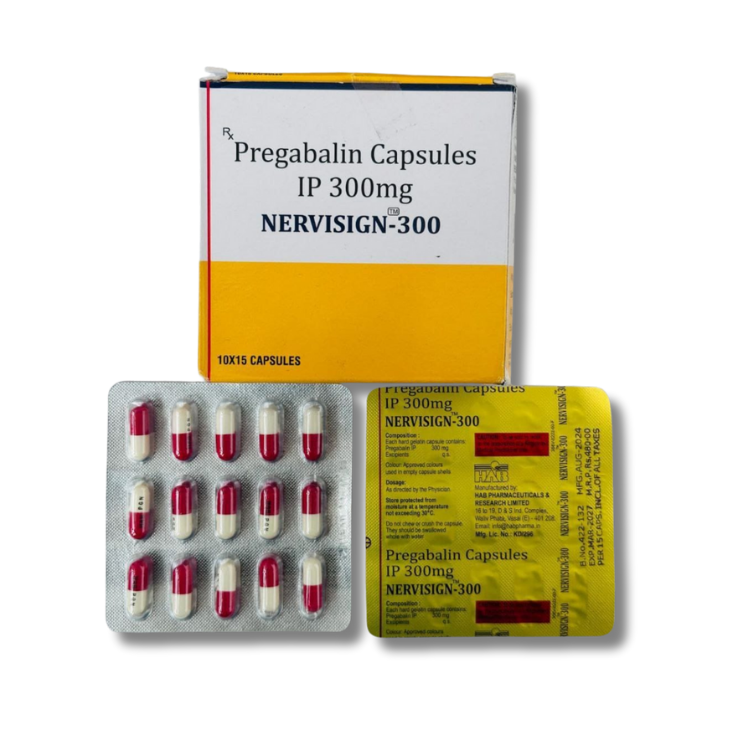
Description
Product Overview Pregabalin 300 mg is a prescription medication belonging to the class of anticonvulsants (anti-epileptic drugs). It is primarily used for the management of neuropathic pain (pain from damaged nerves, e.g., diabetic peripheral neuropathy, post-herpetic neuralgia), as an adjunctive therapy for partial-onset seizures in adults, and for the treatment of generalized anxiety disorder (GAD) or fibromyalgia in some regions. Pregabalin works by binding to calcium channels in the nervous system, reducing the release of certain neurotransmitters involved in pain and seizure activity.
Important Warning Pregabalin is a controlled substance in many countries due to potential for abuse, misuse, dependence, and withdrawal symptoms. Sudden discontinuation can cause withdrawal effects (e.g., insomnia, nausea, headache, anxiety, seizures). Risk of serious allergic reactions (angioedema) and suicidal thoughts/behavior—monitor mood changes. May cause dizziness and somnolence, impairing ability to drive or operate machinery. Weight gain and peripheral edema may occur. Always follow your doctor’s instructions precisely and taper off gradually when stopping.
Dosage and Administration
- Neuropathic pain or fibromyalgia: Starting dose usually 150 mg/day in divided doses; may increase to 300 mg/day within 1 week, maximum 600 mg/day.
- Adjunctive therapy for seizures: Starting 150 mg/day; may increase to 600 mg/day based on response.
- Generalized anxiety disorder: 150–600 mg/day in divided doses.
- Take with or without food. Capsules should be swallowed whole (do not crush or chew).
- Patients with renal impairment: Dose adjustment required (lower doses based on creatinine clearance).
- Elderly patients: Start with lower doses due to higher risk of side effects.
- Do not stop abruptly—taper gradually over at least 1 week under medical supervision.
Common Side Effects
- Dizziness, somnolence, or fatigue
- Dry mouth, blurred vision, or headache
- Weight gain, peripheral edema (swelling), or constipation
- Difficulty concentrating or memory issues
Serious side effects (seek immediate medical help): Severe allergic reactions (swelling of face/throat, difficulty breathing), muscle pain/weakness/tenderness (rhabdomyolysis), new/worsening depression, suicidal thoughts, unusual bleeding/bruising, or vision changes.
Precautions and Contraindications
- Do not use if you have: Known hypersensitivity to pregabalin.
- Use caution in patients with heart failure (risk of worsening edema), history of substance abuse, depression, or suicidal ideation.
- Avoid alcohol and other CNS depressants (e.g., opioids, benzodiazepines)—can increase drowsiness and respiratory depression.
- Not recommended during pregnancy (risk of birth defects) or breastfeeding (passes into breast milk).
- May impair driving or operating machinery—do not drive if affected.
- Monitor for misuse or dependence, especially in patients with history of substance abuse.
Storage Store below 30°C in a cool, dry place away from light and moisture. Keep out of reach of children.
Note: This information is for general guidance. Always consult your doctor or pharmacist for personalized advice, and read the patient information leaflet provided with your medication. Pregabalin should only be used when prescribed.



Reviews
There are no reviews yet.